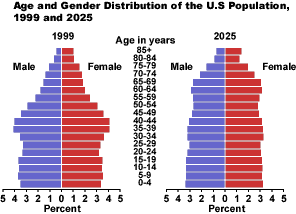
Population pyramids show the general shape of a population's age structure. There are many developing countries in which the age structure does resemble a pyramid, with a broad base of younger people, and few persons surviving to old age. But in developed countries, declining fertility rates have more often resulted in age patterns like the ones you see pictured here. In 1999, the United States age structure resembles a bowling pin with a slight bulge in the middle. The bulge is composed of the baby-boom cohort (the 77 million persons born between 1946 and 1964), while the relatively narrow base is made up of the baby-bust cohorts born since the late 1960s. Each year the U.S. population gets older, primarily because of the aging of the baby boomers, but also because of low fertility rates and annual increases in life
expectancy.
Over the next three decades, most baby-boomers will reach retirement age, causing rapid growth of the population over age 65. By 2025, the age structure of the population will lose its pyramid shape altogether, and will begin to resemble a pillar. The aging of the U.S. population will affect every aspect of our society, in one way or another, presenting challenges to policy-makers, families, businesses, and health service providers.



 click on graph to see larger image