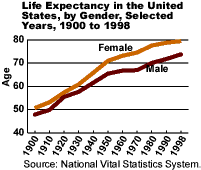
Life expectancy is a hypothetical measure. It represents the average number of additional years that a person could expect to live if current mortality trends were to continue for the rest of that person's life. But death rates do not remain fixed over time. They have fallen steadily over the past century. Between 1900 and 1998, life expectancy in the United States increased from 51 to 80 for females and from 48 to 74 for males.
Most of the improvements in life expectancy have resulted from reductions in infectious diseases among infants and children. The decline in mortality rates for these major killers has been attributed to improvements in public health efforts, medical technologies, and standards of living and hygiene. Today, the leading causes of death are cardiovascular disease (heart disease), malignant neoplasms (cancer), and cerebrovascular disease (stroke).
Data on long-term mortality trends have to be used with caution because, in the early decades of the 20th century, not all states participated in national death registration. Also, coverage was incomplete, especially for the poor and for racial minorities. Classification of causes of death depends on the medical knowledge and qualifications of the people attending the death. Historians have argued, for example, that many of the deaths ascribed in the early years of this century to other causes, or to indeterminate ones, were actually hard-to-diagnose cases of cardiovascular disease. The categories change over time, but the trends shown in these data for the overall risk of death and the major groups of causes are considered valid.