|
|
|
|
 |
|
|
|
Older People in Poverty
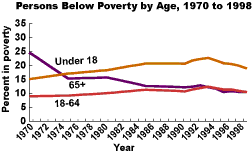
In 1970, nearly one-fourth of older Americans lived in poverty, more than twice the current rate. The dramatic decline in the percentage of the older population in poverty is associated with the expansion of federal programs like Social Security and Medicare, and of private pension systems. Children, in contrast, are worse off today than they were 30 years ago, despite a decline in child poverty over the past five years.
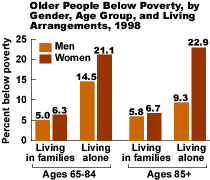
Federal entitlements have kept most older Americans above the poverty line. But a relatively high percentage of older adults live in families "near poverty," in the range of 100 to 124 percent of the poverty threshold. There are also certain groups in the older population who are at greater risk of living in poverty. In 1998, 21 percent of women ages 65 to 84 who were living alone had incomes below the poverty line, compared with 15 percent of men in that age group who were living alone. Among people ages 85 and older, 23 percent of women living alone were in poverty, compared with 9 percent of men living alone. Poverty rates were substantially lower for older people living in families, especially for older women.
|
|
|
click on graph to see larger image
click on graph to see larger image |
|
|
|
|
|
Source:
U.S. Census Bureau
|
|
Download Data Files
Time-Series Data by Race/Ethnicity, Region, Age Group, and Gender
|
|
